Commercial Tree Trimming in Doylestown, PA
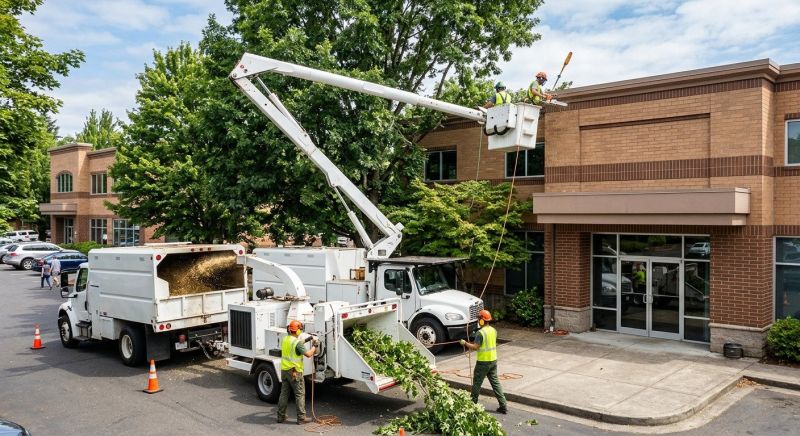
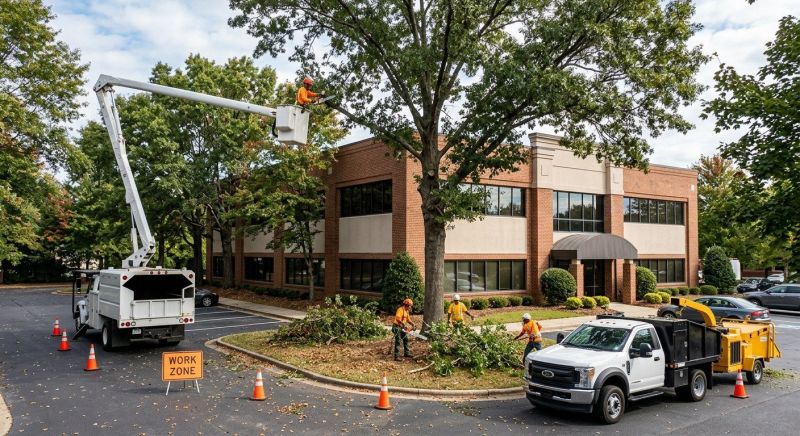
Commercial tree trimming services involve the careful pruning and shaping of trees on residential properties to promote healthy growth, improve appearance, and maintain safety. These projects typically include removing dead or hazardous branches, thinning dense foliage, and shaping trees to prevent interference with structures or power lines. Property owners often seek this service to enhance curb appeal, ensure safety for pedestrians and vehicles, and support the overall health of their landscape. Before requesting tree trimming, it’s helpful to understand the scope of work needed, the types of trees involved, and any specific concerns about safety or aesthetics.
Understanding the different techniques used in commercial tree trimming can assist property owners in making informed decisions. The service covers a range of projects, from routine maintenance to more extensive pruning for larger trees or those near buildings. Clarifying goals such as desired tree shape, removal of problematic branches, or clearance requirements can help ensure the work aligns with property needs. Additionally, knowing if any permits or regulations apply in the area can streamline the planning process for tree care on residential properties.
Many property owners in Doylestown, PA look into Commercial Tree Trimming for repairs, replacements, upgrades, and appearance-related improvements.
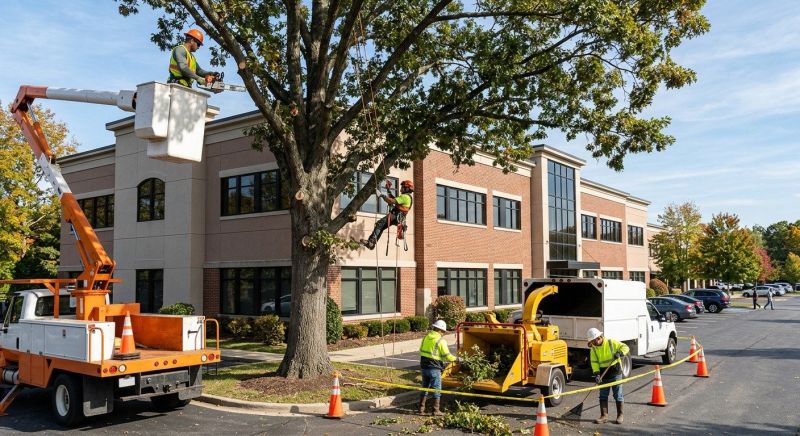
Tree Health And Safety
Proper trimming helps maintain the health and safety of trees on residential and commercial properties.
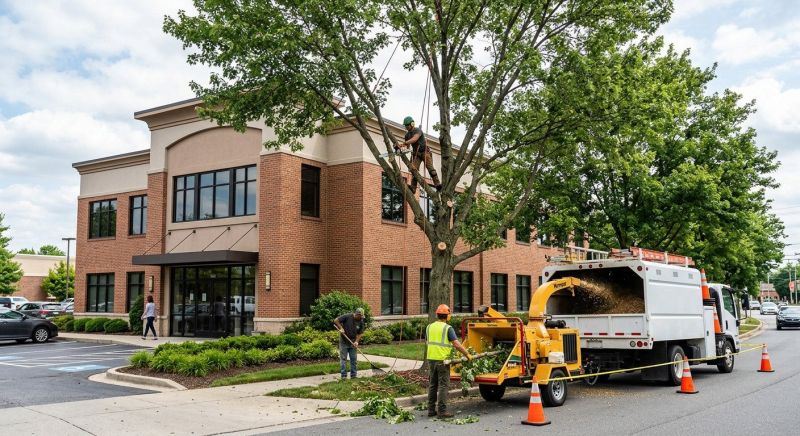
Property Enhancement
Strategic pruning improves the appearance and value of landscapes in doylestown and nearby areas.
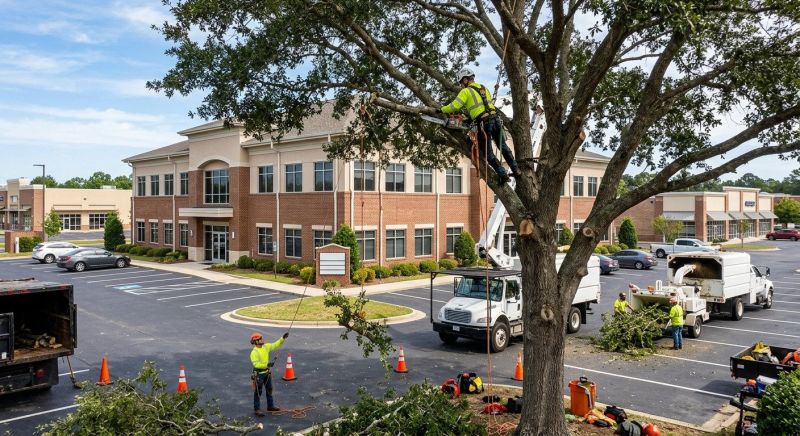
Risk Reduction
Removing dead or overgrown branches minimizes the risk of damage during storms or high winds.
Commercial Tree Trimming in Doylestown, PA
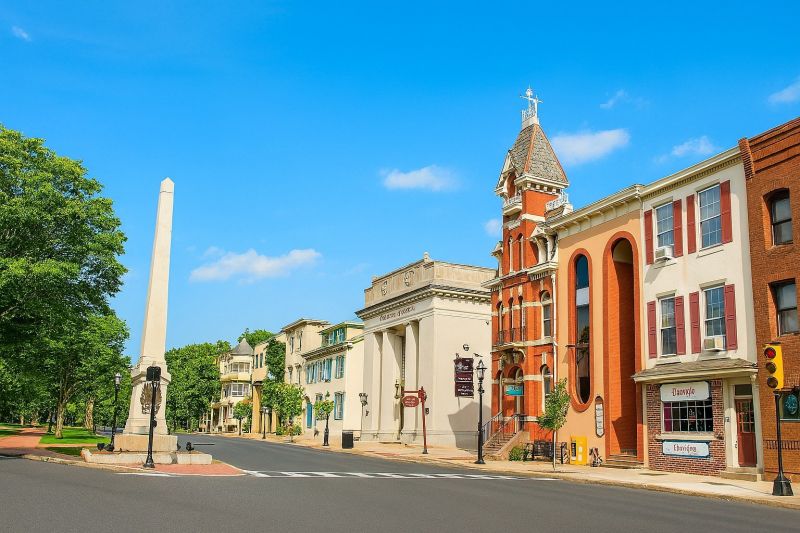
Commercial tree trimming services involve the careful pruning and shaping of trees on residential properties to promote healthy growth, improve appearance, and maintain safety. These projects typically include removing dead or hazardous branches, thinning dense foliage, and shaping trees to prevent interference with structures or power lines. Property owners often seek this service to enhance curb appeal, ensure safety for pedestrians and vehicles, and support the overall health of their landscape. Before requesting tree trimming, it’s helpful to understand the scope of work needed, the types of trees involved, and any specific concerns about safety or aesthetics.
Understanding the different techniques used in commercial tree trimming can assist property owners in making informed decisions. The service covers a range of projects, from routine maintenance to more extensive pruning for larger trees or those near buildings. Clarifying goals such as desired tree shape, removal of problematic branches, or clearance requirements can help ensure the work aligns with property needs. Additionally, knowing if any permits or regulations apply in the area can streamline the planning process for tree care on residential properties.
Many property owners in Doylestown, PA look into Commercial Tree Trimming for repairs, replacements, upgrades, and appearance-related improvements.
Common Commercial Tree Trimming Jobs
Tree crown thinning - reduces the density of branches to improve light and airflow through the canopy.
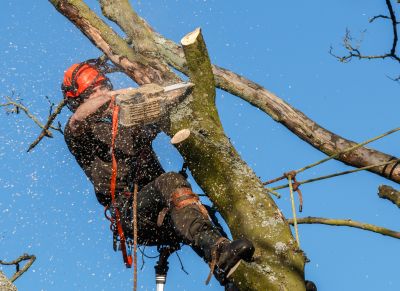
Tree pruning - removes dead or damaged branches to promote healthy growth and prevent hazards.
Structural pruning - shapes trees to maintain stability and prevent future structural issues.
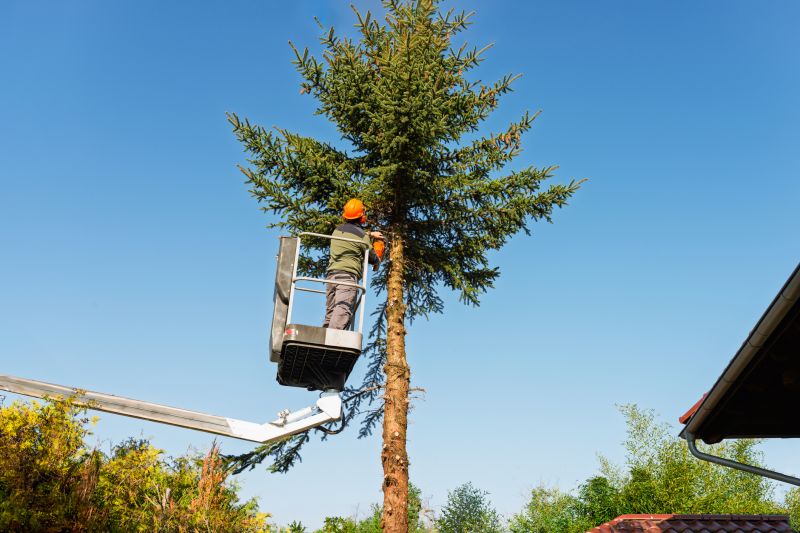
Height reduction - carefully trims tall trees to maintain safety and compliance with local regulations.
Fruit tree trimming - optimizes fruit production and encourages healthy development of fruit-bearing trees.
Storm damage cleanup - removes broken or fallen branches to protect property and restore tree health.
Commercial Tree Trimming Questions
What types of trees are suitable for trimming? Most common landscape and ornamental trees can benefit from trimming to improve health and appearance.
Why is tree trimming important for commercial properties? Proper trimming maintains tree safety, enhances curb appeal, and promotes healthy growth.
How often should trees be trimmed in a commercial setting? The frequency depends on the tree species and growth rate, typically ranging from annually to every few years.
What are signs that a tree needs trimming? Dead or broken branches, overgrown canopies, or branches close to structures indicate a need for trimming.
Request Commercial Tree Trimming in Doylestown, PA
Use the quote form on this page to share the basics of your project and request more information for the type of work you need.